



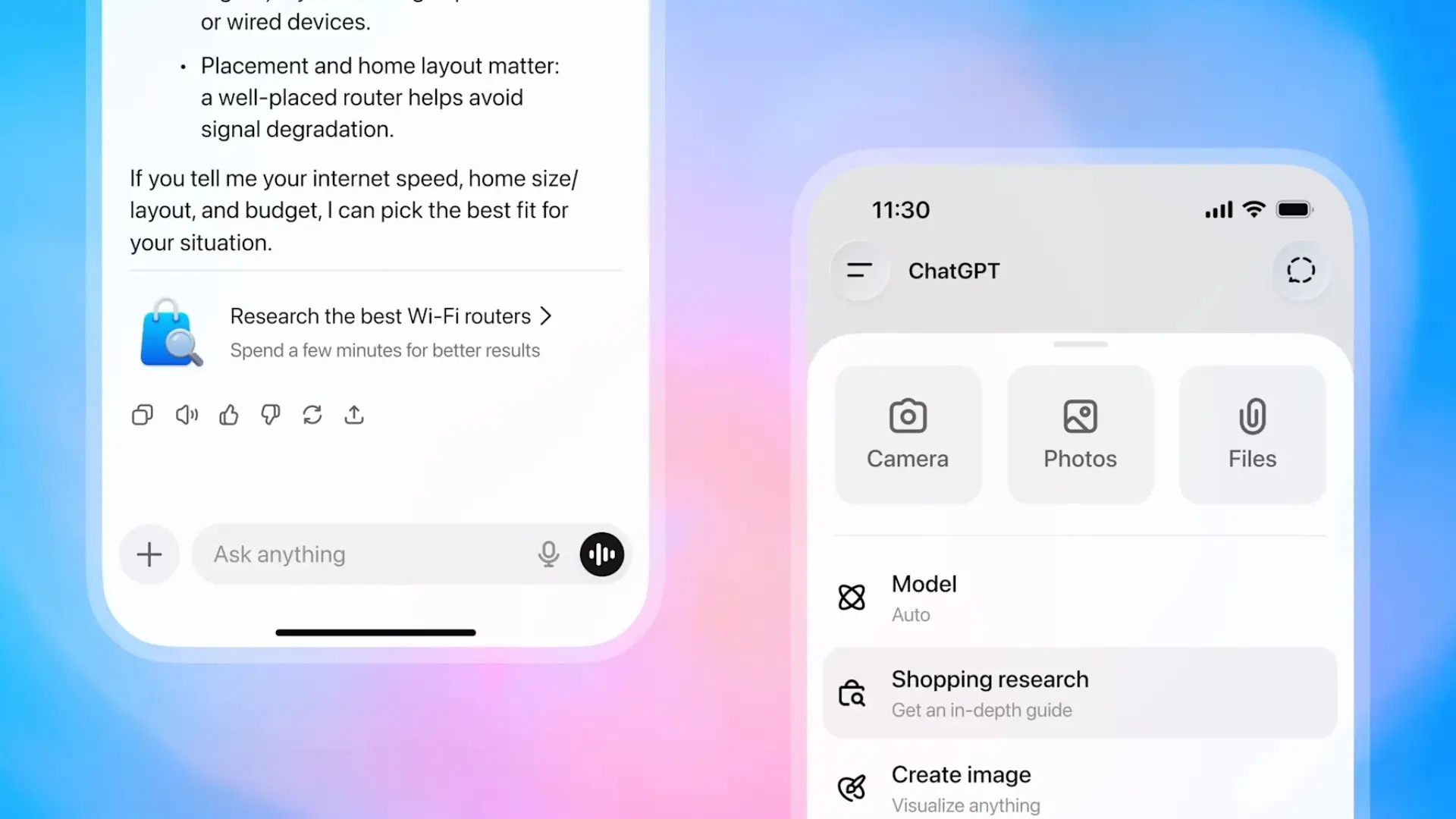
OpenAI has launched an innovative Shopping Research feature within ChatGPT, marking a significant advancement in AI-assisted e-commerce. Developed on a shopping-specialized GPT-5 mini model, this tool generates personalized buyer’s guides by analyzing trusted online sources such as reputable websites and user forums. Unlike conventional shopping aids, it prioritizes unbiased, data-driven insights over paid advertisements, empowering consumers with transparent and thorough product evaluations.
One of its primary functions is product comparison. ChatGPT allows users to quickly evaluate features, pricing, and user reviews across similar products. This efficiency helps consumers discern not just the most affordable options, but also those that provide the best value for their specific needs.
In addition to comparisons, ChatGPT analyzes current market trends. By providing insights into popular and emerging products, it guides consumers toward choices that align with their preferences. This capability is particularly useful for those looking to stay ahead of the latest trends in their respective categories.
Moreover, ChatGPT offers real-time pricing information, allowing users to track discounts and deals across various retailers. This feature significantly reduces the time spent searching for the best offerings.
Finally, by summarizing user reviews and ratings, ChatGPT delivers a nuanced understanding of product performance and satisfaction. Consumers benefit from clear insights that inform their purchasing decisions.
It offers near unlimited access for users across ChatGPT Free, Go, Plus, and Pro tiers on both mobile and web during the holiday shopping season.
Integration with ChatGPT’s memory function allows personalized suggestions based on previous interactions, while OpenAI plans to connect this research capability with its Instant Checkout system to enable seamless in-app purchases. Privacy is prioritized by sourcing only publicly available information and excluding retailer data sharing.
Also Read: Can India Become a Deep-Tech Leader? A Reality Check