



Google is pushing Gmail firmly into the Gemini era, rolling out a wave of AI-driven upgrades aimed at taming inbox overload instead of compounding it. The company is betting that smarter summarisation, assisted drafting and a more intelligent inbox view can help users make sense of sprawling email threads and constant notifications without sacrificing control.
The headline feature is AI Overviews, a summarisation layer that condenses sprawling conversations into concise, readable digests. Rather than manually scrolling through dozens of replies or relying on keyword search, users can ask natural-language questions to surface specific details buried in the thread. They can query for dates, decisions or action items, turning Gmail into more of an interactive briefing tool than a static archive of messages.
Google says conversation summaries through AI Overviews are expected to roll out globally, bringing the core summarisation capability to a broad base of Gmail users. However, the more advanced interactive question-asking inside Gmail will be restricted to paying Google AI Pro and Ultra subscribers, underscoring Google’s strategy of reserving its most powerful AI features for premium tiers.
Alongside summarisation, Google is deepening its writing support inside Gmail. Help Me Write and upgraded Suggested Replies are designed to streamline email drafting and responses by drawing on the surrounding context of a conversation. The tools aim to help users respond faster while still sounding like themselves, particularly in dense or repetitive correspondence.
A new Proofread option adds another layer of polish. Focused on grammar, tone and clarity, it will initially be reserved for paying AI users. Google has indicated that future versions are expected to pull in context from other Google apps, enabling more personalised and situationally aware suggestions that better reflect a user’s style and ongoing projects.
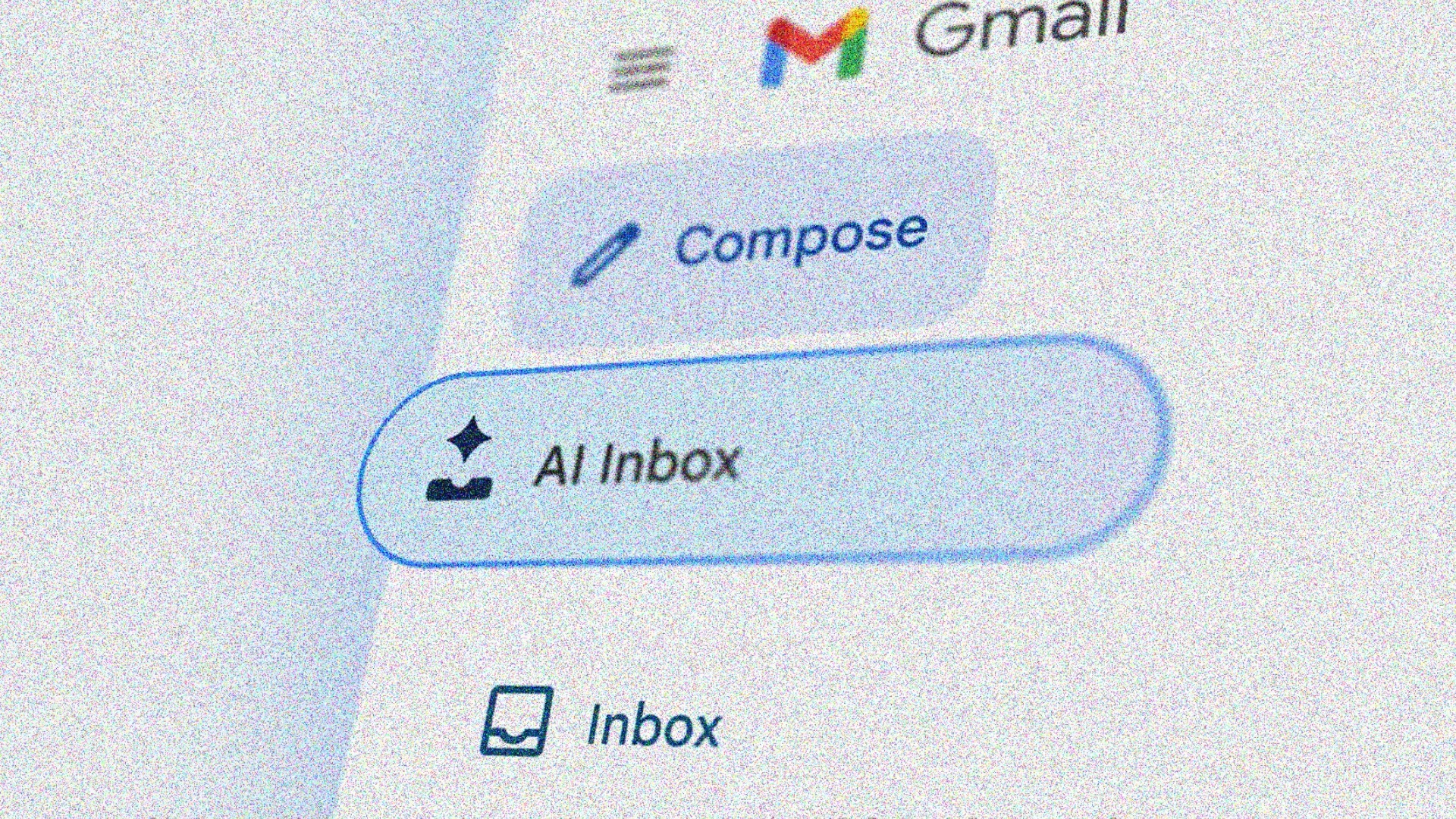
Perhaps the most consequential shift for everyday use is AI Inbox, a new view that tries to elevate what actually matters in a crowded inbox. Instead of relying mainly on time-based sorting or manual labels, Gmail will infer importance from frequent and saved contacts, as well as the relationships between emails. The goal is to surface priority messages, upcoming deadlines and key reminders before they get buried.
These features will begin rolling out in English in the US on January 9, with AI Inbox entering limited testing at first. Google plans to extend the updates to more regions and languages over time, positioning Gmail as a flagship showcase for its broader Gemini-powered productivity ambitions.