



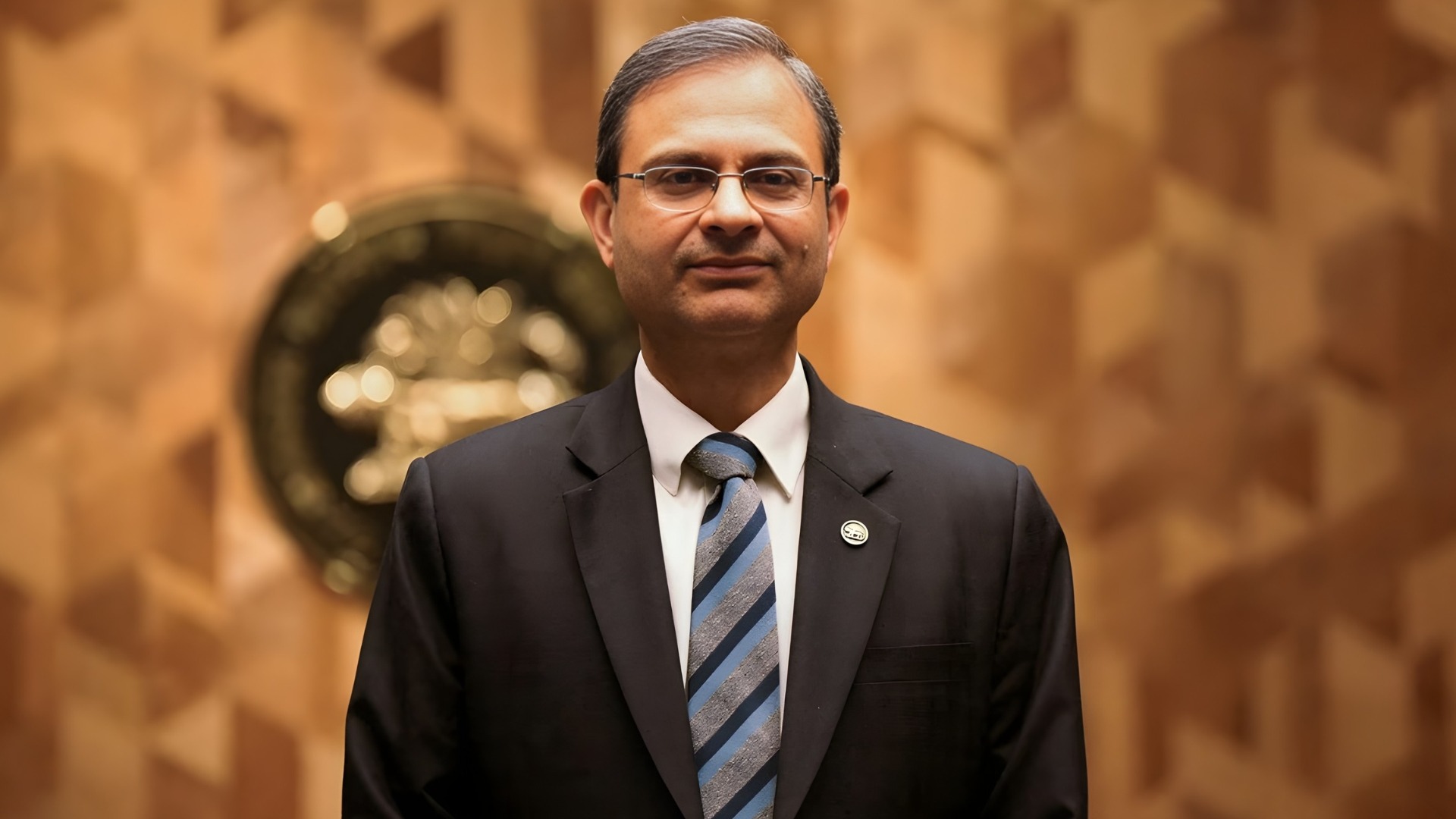
The Reserve Bank of India (RBI) is set to overhaul its bank supervision model, transitioning from periodic onsite inspections to real-time, technology-driven monitoring. Speaking at the Third Annual Global Conference of the College of Supervisors in Mumbai on January 9, RBI Governor Sanjay Malhotra said the regulator aims to make supervision “more off-site than on-site and as near real-time as possible,” leveraging advanced analytics, AI, and supervisory technology tools.
Currently, nearly 85–90% of bank supervision is conducted through physical inspections, with only about 10–15% managed offsite. The RBI plans to invert this ratio, shifting up to 75% of supervision to data-driven, offsite systems. This transformation will be powered by the central bank’s Offsite Monitoring and Surveillance (OSMOS) framework and enhanced analytics capable of continuous monitoring and rapid anomaly detection across the financial ecosystem.
Malhotra said the Department of Supervision is developing AI-enabled dashboards to strengthen early risk identification and ensure timely interventions. Tools like the Central Repository of Information on Large Credits (CRILC) will continue to support granular tracking of high-value exposures.
He emphasized that the RBI’s evolving approach remains “collaborative, not punitive.” Regulators and institutions, he noted, must act as “partners in resilience,” focusing on long-term stability rather than reactive compliance. Enforcement measures, he added, should remain a last resort.
To support this transformation, the RBI has expanded its supervision and enforcement workforce by over 800 professionals since the pandemic, including a large pool of technologists focused on digital oversight—a signal that India’s central bank is fully embracing a data-first approach to financial supervision.