



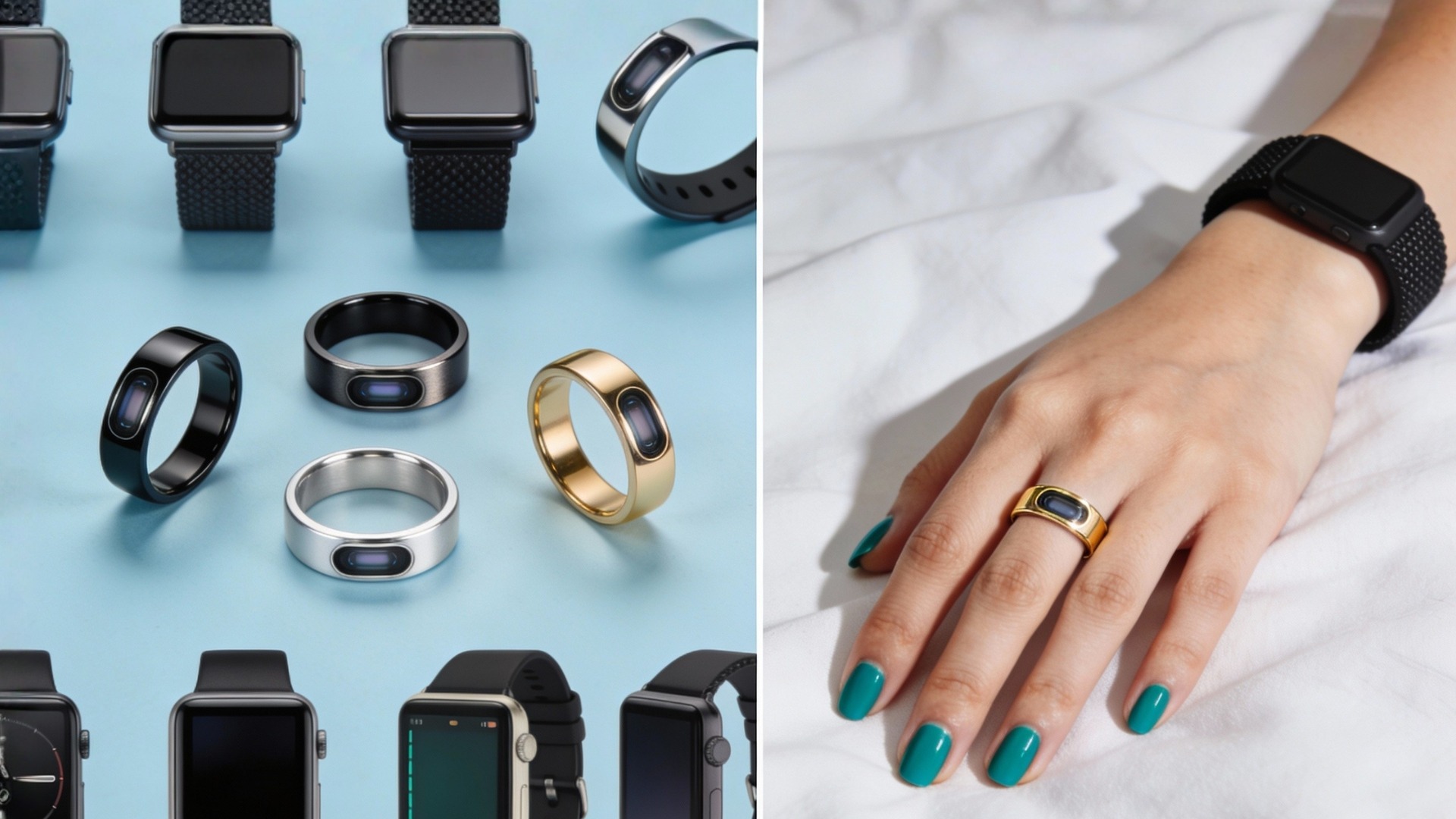
The global wellness technology market is on track to surge from $57.1 billion in 2025 to $208.36 billion by 2035, according to Precedence Research. The sector is forecast to grow at a compound annual rate of 13.82%, powered by advances in artificial intelligence, machine learning, and Internet of Things integration across health platforms.
Wearable devices comprise nearly half the market, led by fitness and activity trackers. Yet, a new wave of brain-sensing wearables is redefining the space. Companies like NextSense, Neurable, and Elemind are pioneering devices that capture neural data to enhance sleep quality, track focus, and monitor cognitive health. NextSense’s $349 Tone Buds, featuring EEG-based sleep tracking and pink noise therapy, exemplify this shift from physical to cognitive wellness monitoring.
North America holds a dominant 50.4% share, underpinned by tech adoption and leading manufacturers such as Apple, Samsung, and Garmin. Meanwhile, Asia Pacific is projected to expand fastest at a 13.5% CAGR, propelled by national health initiatives including China’s Healthy China 2030 and Japan’s Society 5.0.
Corporate wellness solutions are also accelerating, expected to rise 12.6% annually through 2035. Employer-driven investments in digital health tools are reshaping workplace wellness strategies. Samsung’s 2025 acquisition of Seattle-based Xealth illustrates this convergence linking wearable data with hospital systems across the U.S.
The convergence of neuroscience, AI, and digital health signals a new era for the wellness technology market, blurring boundaries between medical insight, personal optimization, and consumer tech.