



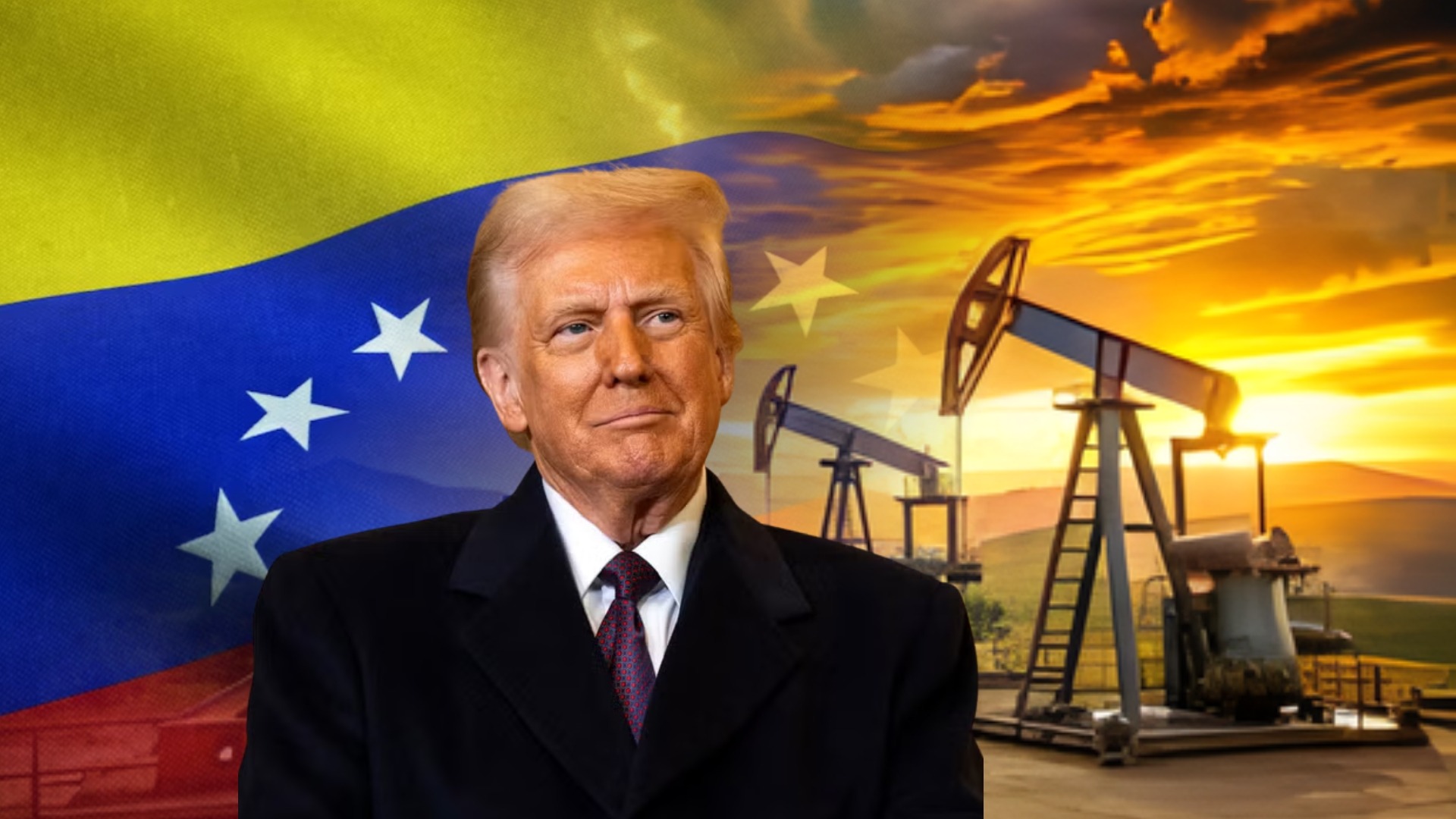
Washington is reportedly considering enabling India to acquire Venezuelan crude oil via a US-managed framework, presenting New Delhi with a substitute energy option as the US intensifies efforts to diminish Russian oil imports. A senior US official informed IANS that Washington is inclined to authorize India to restart importing Venezuelan crude, although the specifics of implementation are still being discussed. This decision aligns with an agreement permitting up to $2 billion in Venezuelan oil exports, enacted after US forces apprehended President Nicolás Maduro on January 3.
According to US Energy Secretary Christopher Wright, the US government will directly oversee the marketing of this oil, with strict oversight of the resulting funds. “We’re allowing it to flow, but the money will go into accounts that benefit the Venezuelan people, not corruption or the regime,” Wright stated during a Fox Business interview. This mechanism essentially grants the US control over Venezuela’s export earnings and distribution networks.
This development unfolds as Washington increases measures to lessen India’s dependency on Russian crude. President Donald Trump has cautioned about significant tariffs, mirroring a legislative proposal by Senator Lindsey Graham to impose a 500 percent tariff on nations that persist in importing Russian petroleum.
Between April and November 2025, India imported approximately $30.8 billion of Russian crude, constituting about one-third of its total oil procurements. Reliance Industries, a major refining company, is allegedly pursuing authorization to recommence Venezuelan imports, which it last received in May 2025, as India aims to broaden its energy sources amidst growing US surveillance of global energy dynamics. The framework underscores a strategic play by the U.S., balancing geopolitical interests with energy market stability, directly impacting international trade and energy policies.
The arrangement highlights the intricate balance between geopolitics and energy security, as nations navigate fluctuating alliances and economic pressures. By potentially rerouting Venezuelan oil to India, the US aims to achieve multiple objectives: reducing Russia’s energy dominance, providing India with an alternative supply, and directing Venezuelan oil revenues towards humanitarian purposes rather than the current regime. This multifaceted approach marks a significant shift in global energy diplomacy.