



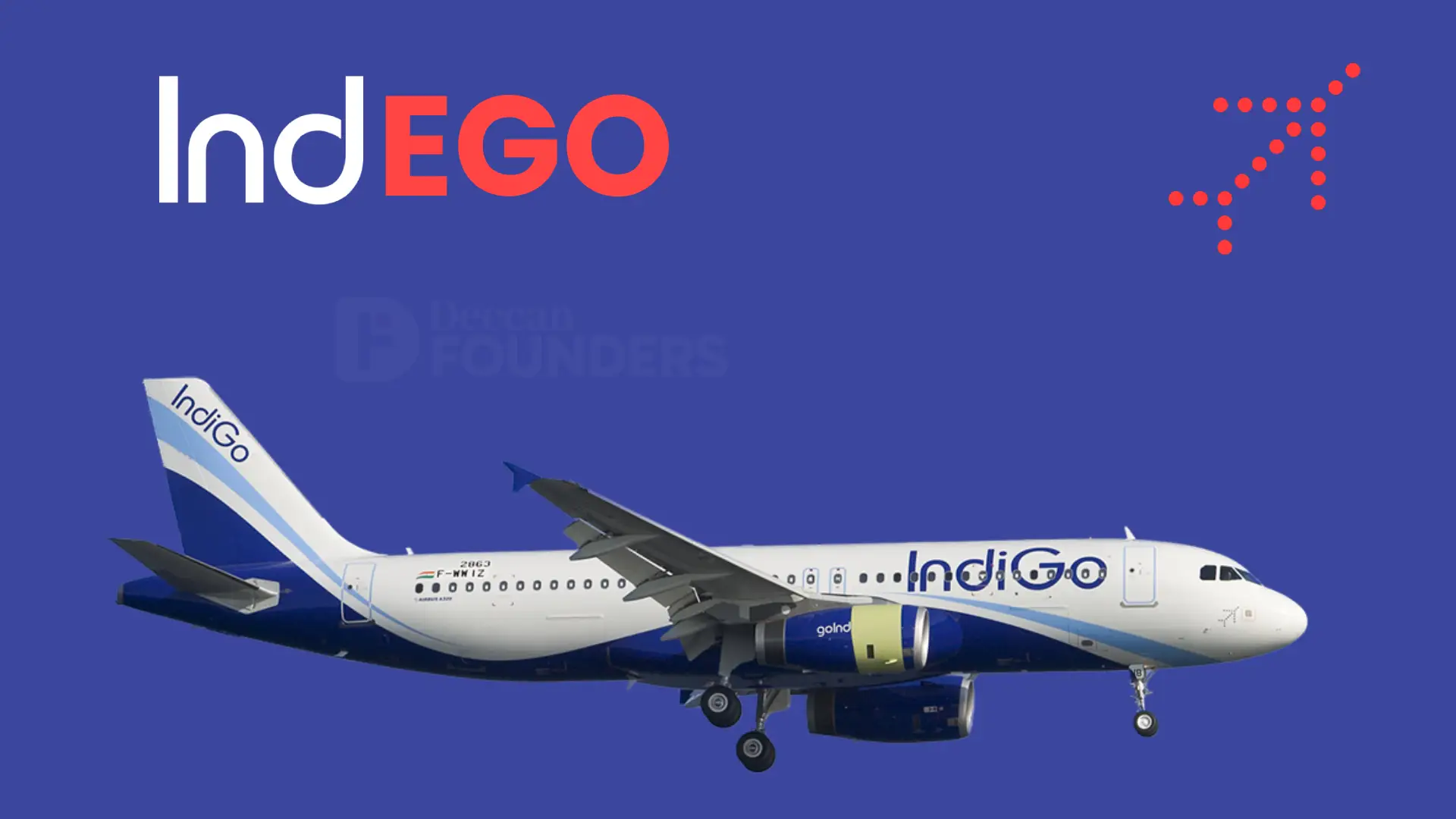
India’s aviation network faced one of its most bruising weeks in recent memory when IndiGo the country’s largest airline by a wide margin was forced to cancel thousands of flights, stranding travellers at the onset of the high-traffic winter season. While the visible spark was a shift in pilot duty-time regulations, the meltdown revealed structural vulnerabilities that the industry, the regulator, and especially IndiGo itself had long been aware of.
Having spent three decades studying aviation systems, one truth has remained constant: operational fragility doesn’t appear overnight. It accumulates quietly, through decisions made months sometimes years before a disruption erupts in public view. The IndiGo episode is a textbook case of this phenomenon.
Rule change that didn’t arrive unannounced
The DGCA’s revised flight-duty and rest norms for pilots, introduced to improve fatigue management and align India with global standards, officially kicked in from November 1, 2025. These were not abrupt directives. Airlines were given extensive notice, multiple advisories, and enough lead time to recalibrate schedules, expand their reserve pools, and prepare for a more conservative rostering environment.
Yet, despite the long runway, the new norms exposed thin buffers in IndiGo’s crew planning. What should have been a manageable regulatory adjustment quickly snowballed into a nationwide disruption.
How big was the impact? Bigger than the system could absorb
Depending on the source, somewhere between 2,000 and 4,000 flights were cancelled or severely delayed across IndiGo’s network. For an airline that operates more than 2,000 flights a day, any rostering shock is bound to radiate across the system but the scale of this breakdown was unprecedented.
Passengers slept on airport floors. Fares on other airlines surged. Airports in Delhi, Mumbai, Bengaluru and Hyderabad were overwhelmed as other carriers scrambled to open up more inventory.
When one carrier controls the majority of a domestic market, it does not simply fail quietly. It drags the entire ecosystem down with it.
The weight of a 64% market share
IndiGo’s dominance roughly 64–65% of India’s domestic market has long been both its strength and its burden. No other major aviation market has a single airline occupying such an outsized share.
With great scale comes great responsibility, and equally great exposure. A carrier this large has little room for missteps: crew shortages, seasonal spikes, or rostering inefficiencies cannot be absorbed by competitors in meaningful volume. The Indian skies simply don’t have enough spare capacity.
Industry analysts have repeatedly warned that India’s aviation landscape is too concentrated to withstand a disruption at the top. This crisis proved that point with painful clarity.
Preparedness or the lack of it was the real fault line
A rule change alone cannot cripple an airline, but insufficient preparedness can.
Reports indicate that IndiGo had, for months, kept hiring on pause. High utilisation rates, tight scheduling, and limited standby crew left the airline exposed when new duty-time restrictions reduced pilot availability.
Insiders suggest IndiGo could have bolstered its buffer by:
- Expanding its reserve pool
- Increasing training throughput
- Adjusting schedules ahead of the rule change
- Lifting the hiring freeze earlier
Instead, the airline entered November with minimal slack turning a manageable regulatory requirement into a full-blown crisis.
Once the cancellations spiraled, IndiGo reversed course and reopened hiring. But by then, the damage was irreversible for passengers.
The regulatory and political dimensions
The DGCA responded forcefully once the extent of the disruption became undeniable. Show-cause notices were issued, temporary relaxations were considered for specific fleets, and the government intervened to cap last-minute fares to protect passengers.
But the situation also stirred uncomfortable questions:
Did IndiGo allow the crisis to worsen to push for regulatory concessions?
Was the airline attempting to signal to the government that enforcing fatigue rules would make the system unmanageable?
Whether intentional or not, the perception of strategic pressure lingered and in aviation, perception matters nearly as much as reality.
The bigger problem: a system built with no shock absorbers
Beyond the immediate chaos, the situation exposed systemic fragilities:
- India’s aviation sector is overly dependent on a single carrier
- Crew utilisation has been stretched to unsustainable levels
- Most airlines operate with razor-thin operational buffers
- Policy shifts, even when justified, ripple harder in an unconsolidated environment
Investors noticed. IndiGo’s stock value fell sharply as markets priced in regulatory scrutiny and operational reset costs.
What happens next?
The DGCA’s inquiry will determine how preparedness fell short and whether new checks on rostering and manpower planning are needed. IndiGo will almost certainly be required to build stronger reserves, hire aggressively, and reduce its dependence on lean-cycle scheduling.
For passengers, policymakers and the industry, this is a moment of reckoning. The goal is not to weaken IndiGo India needs a strong, efficient national carrier. The goal is to ensure no airline, regardless of its size, can bring the entire system to a halt.
This crisis was never only about a circular or a duty-time table. It was about ego, overconfidence, and systemic complacency meeting a regulatory requirement designed for safety.
It was about a market so concentrated that one airline’s internal misalignment became a national disruption.
IndiGo may recover quickly strong airlines usually do but the lesson should not be forgotten:
When operational fragility combines with unchecked dominance, the result isn’t turbulence. It’s collapse.
Also Read : The $23 Billion Sky: How India’s Aerospace Startups Are Quietly Taking Off